To better understand the achievements of the present moment, we must first look back: to the fact that, during the Yugoslav period, Slovenian theatrical film production did not produce a single woman film director, and that in independent Slovenia it was only in 2002, with Maja Weiss’s Guardian of the Frontier and Hanna Slak’s Blind Spot, that female directorial voices were first allowed through the sieve of public funding. Yet, in the absence of a long-term strategy and structural solutions, even this millennial breakthrough failed, in the long run, to generate more far-reaching change capable of challenging the entrenched hegemony of the male gaze and the lack of female perspectives. Statistics show that, up until 2017, only one in nine feature films was directed by a woman. It was only with the introduction of gender-balanced expert commissions and separate calls for first features that the past decade began to systematically reshape support for screenplays and projects foregrounding women’s stories. A tectonic shift, one that filled Slovenian cinema’s sails and, propelled by the fresh wind of a new generation of women directors, placed it firmly on the international map.
As women directors entered the institutional frameworks of Slovenian cinema, the representation of women on screen inevitably changed.
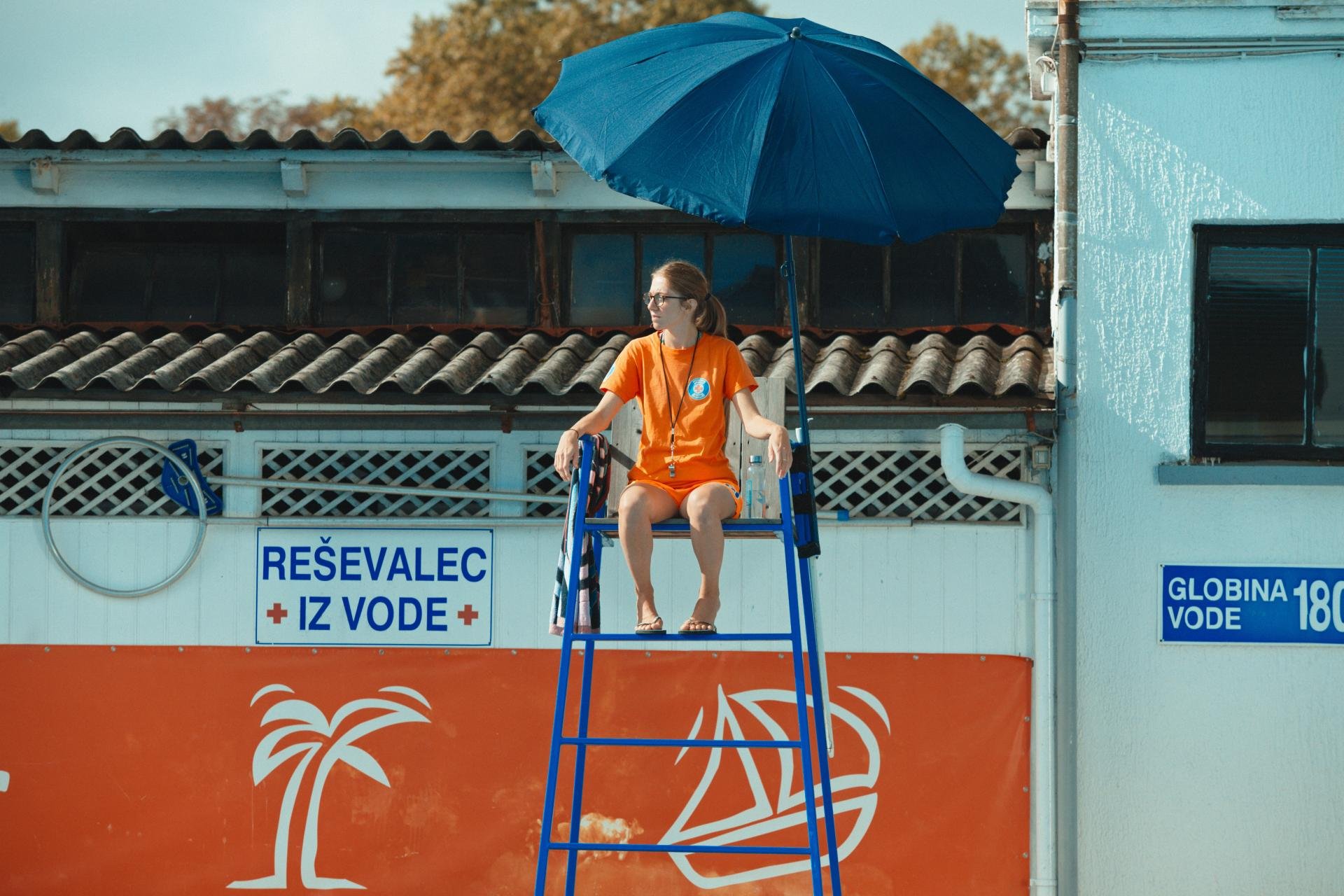
As women directors began to enter the institutional frameworks of Slovenian cinema, the representation of women on screen inevitably changed. In My Last Year as a Loser (Urša Menart, 2018), Menart’s feature debut, for which she became the first woman director in the country’s history to receive the national award for Best Feature Film, the protagonist overturns the expected fate of a woman in her thirties after a break-up and the loss of her job. Rather than imagining her future through coupledom or family-making, she places existential security and access to a home of her own at its centre. Bitch, a Derogatory Term for a Woman (Tijana Zinajić, 2021), written by Iza Strehar, goes further still in subverting established traits of female characters, granting its protagonist, for the first time, the kind of space and freedom that Slovenian cinema had previously reserved almost exclusively for men: she is allowed to be stubborn, sarcastic, hedonistic and promiscuous, without the film morally condemning her or seeking to punish her for her transgressions. Moja Vesna (Sara Kern, 2022), likewise, regards its pregnant protagonist with love and compassion, even as she hurls herself impulsively and self-destructively into the world, ignites conflict, and actively courts danger. The film never clarifies the circumstances of her pregnancy; instead, it renders it empathetically as a bodily state towards which the young woman remains profoundly ambivalent. Then there is the protagonist of Family Therapy (Sonja Prosenc, 2024), a cold, emotionally distant wife and mother who only begins to loosen her grip as the order of her family starts to unravel, surrendering at last to desires and sexual impulses long kept repressed. Yet her family does not disintegrate as a consequence. On the contrary, it is precisely her departure from prescribed social roles that brings her closer to her husband and teenage daughter once again.
This new wave of Slovenian women directors has finally begun to fracture the hardened structures of patriarchy, move beyond fixed archetypes of femininity, and bring to the fore not only broader systemic issues, such as the housing crisis and youth unemployment, but also the intimate struggles of layered female subjectivities. And this is true not only of fiction features but also of documentaries and animation. Consider the short animated film Steakhouse (Špela Čadež, 2021), which, through multiplane animation, makes a masterful incision into the psychological violence at work within a marriage. Or Body (Petra Seliškar, 2023) and Woman of God (Maja Prettner, 2023), two intimate observational documentaries that, in their own ways, engage with the female body, unresolved trauma, and the illness that emerges from it. Then there is the painfully honest documentary Cent’anni (Maja Doroteja Prelog, 2024), which boldly strays from its anticipated path and turns inward, becoming an intimate meditation on love, illness, and all the frustrations that quietly accumulate between partners in the process. The urgent subject of intimate partner violence is addressed, too, in the short film Granny’s Sexual Life (Urška Djukić and co-director Émilie Pigeard, 2021), which interweaves personal testimony with witty, playful animation, relieving the weight of its difficult subject with precisely the right measure of humour, while laying bare the generational trauma of women denied any form of pleasure under a patriarchal social order, in which sexuality and physicality were reduced to the reproductive function of bearing children. A film that travelled the world and went on to win both the César and the European Film Award, it ultimately served as a harbinger of a wider wave of films that, in recent years, have begun exploring in Slovenia previously marginal, invisible and neglected questions of women’s voice, sexuality and gender identity.
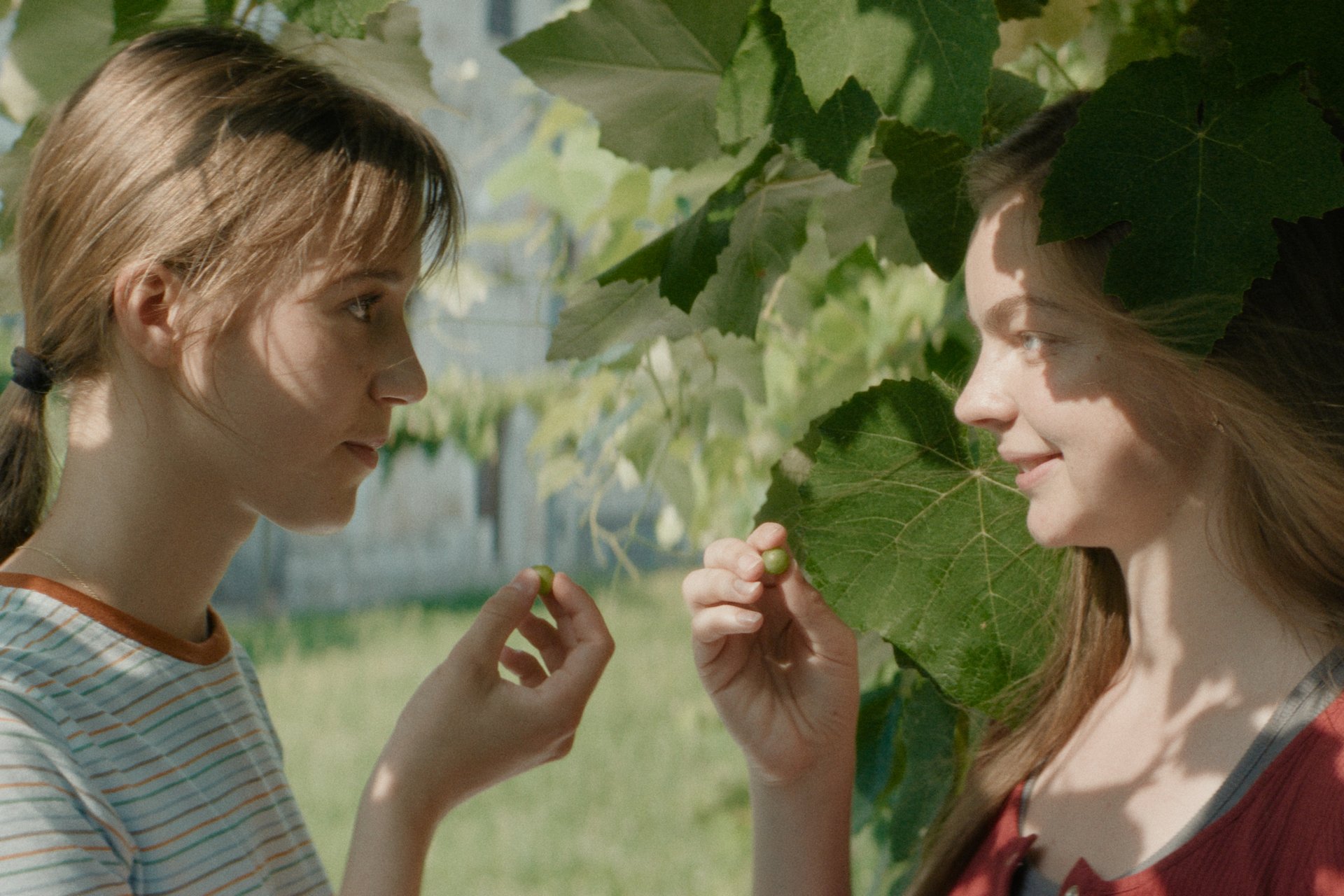
Urška Djukić’s debut feature Little Trouble Girls (2025), which opened the Perspectives section at the Berlin International Film Festival in 2025, centres on a Catholic girls’ choir, ruled by a choirmaster who symbolises a repressive system. Yet his authority soon collides with the girls’ adolescent curiosity and sexual awakening, as they resist the conservative inscription of stigma and shame onto their own bodies and desires. In Kukla’s short Sisters (2021), too, social expectations attached to gender are cast off, and the protagonists fully emancipate themselves from the constraints of patriarchal culture and rigid gender binarism in her debut feature, Fantasy (2025). The exploration of the female voice was rounded off most recently by the fairy-tale debut Ida, Who Sang So Badly That Even the Dead Rose Up and Sang with Her (Ester Ivakić, 2025), which tenderly unfolds themes of growing up, girlhood friendship and human mortality through an interplay of reality and childhood imagination. Taken together, these films, with their powerful authorial voices, herald a new chapter in Slovenian cinema. Though women entered the field of publicly funded film production belatedly, they are now carrying it into the international orbit of festivals and awards with extraordinary force, proving that the absence of women’s perspectives, stories and voices was in fact one of the greatest weaknesses in the vision and identity of Slovenian cinema in the past.