Selected for La Cinef for the second year in a row, Vida Skerk is carving out a cinematic voice rooted in borderland experience, quiet dislocation and a fiercely personal sense of rhythm.
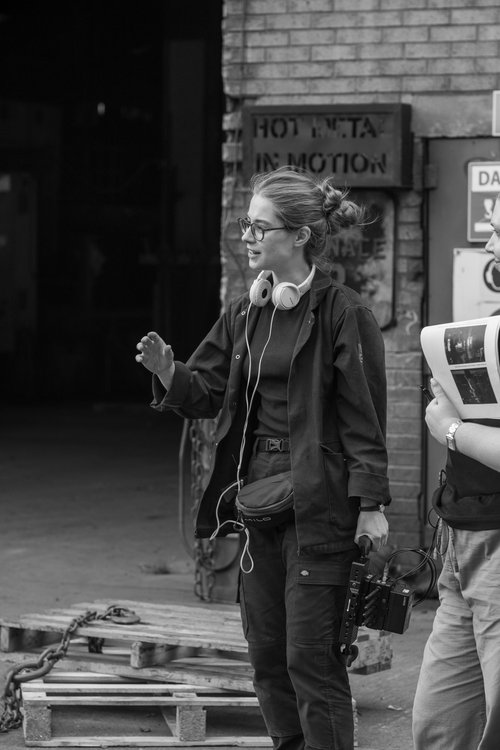
Vida Skerk is a young filmmaker who stands out for her distinctive and confident cinematic voice, even early in her career. After her film Ether (2025) was selected for La Cinef last year, she returns to Cannes this year with her new short film Left Behind, Still Standing (2026). She is the first director in the history of the National Film and Television School (UK) to be selected for the program in two consecutive years. Prior to this, she gained recognition for her film Night Ride (2022), which screened at BFI Flare and Premiers Plans d’Angers, where it won the Student Jury Award and the Oktavijan Award from the Croatian Film Critics Association.
Part of the Slovene minority in Italy, she was born in Trieste, Italy, to a Croatian mother and a Slovene father. She moved to Zagreb at the age of eighteen, where she graduated in film directing from the Academy of Dramatic Art, and later to London, where she completed an MFA in Directing Fiction at the National Film and Television School. This layered background is not merely a biographical detail but the starting point of a worldview. In our conversation, she explains that the borderland experience is precisely what compels a person towards a more complex, less self-evident relationship to identity. If national belonging is often read in black-and-white terms, tied to territory or lineage, her identity is instead a space of reflection, movement, and doubt. That, she suggests, may be why those from border communities tend to look at things more critically and to question broader social categories more readily.
This sense of in-betweenness follows her in the cinema as well. In Zagreb, she says, she was sometimes teased as if she wanted to be “American” or make films for Hollywood; in England, after watching her graduation film, one professor told her, “The more eastern you go, the slower the film gets, and your film is slow.” It's an observation that sticks: in Zagreb, her films seemed too American; in England, too Eastern European. She describes feeling slightly different, and that each side would probably claim she belongs to the other. It is precisely in that gap, on the threshold between competing ideas of what cinema ought to be, that her own rhythm appears to take shape.
She thinks about filmmaking in organic terms. She does not begin with theme or character, but with a feeling, with something that unsettles her and that she cannot yet fully explain. Film, for her, is a way of understanding that feeling, accepting it, and finding a form for it. That is why longing, nostalgia, relationships, and subtle tensions between people or collectives keep surfacing in her work. She says she is drawn to surrealism, though not the kind that becomes an end in itself, but one that remains connected to emotion and to the viewer. Among the filmmakers she cites is David Lynch, precisely because he managed to remain radical, experimental, and instantly recognisable without losing touch with a wider audience. A similar tension can be felt in Skerk’s work: a desire for a personal, slightly off-kilter cinematic world that nonetheless does not shut the viewer out.
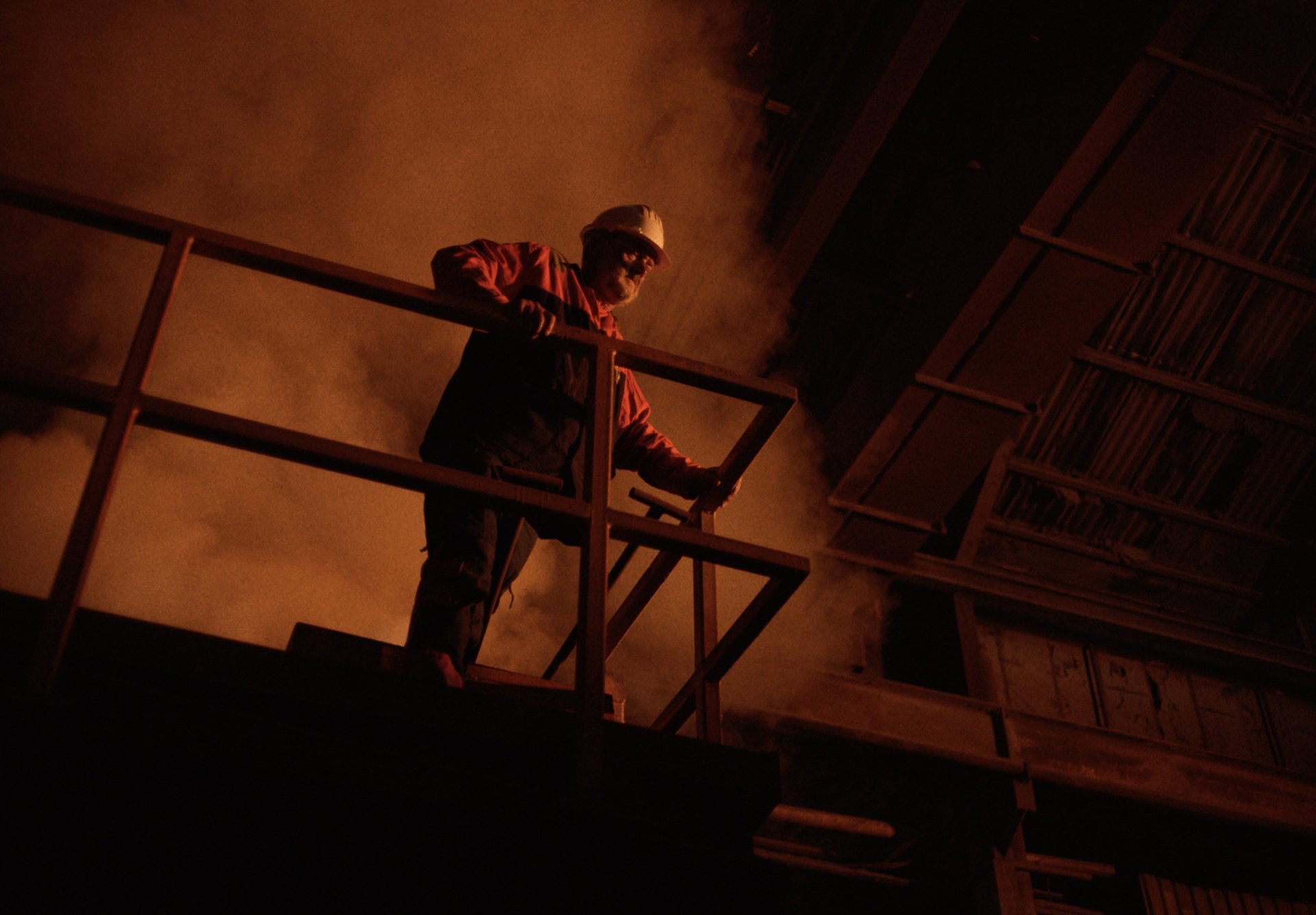
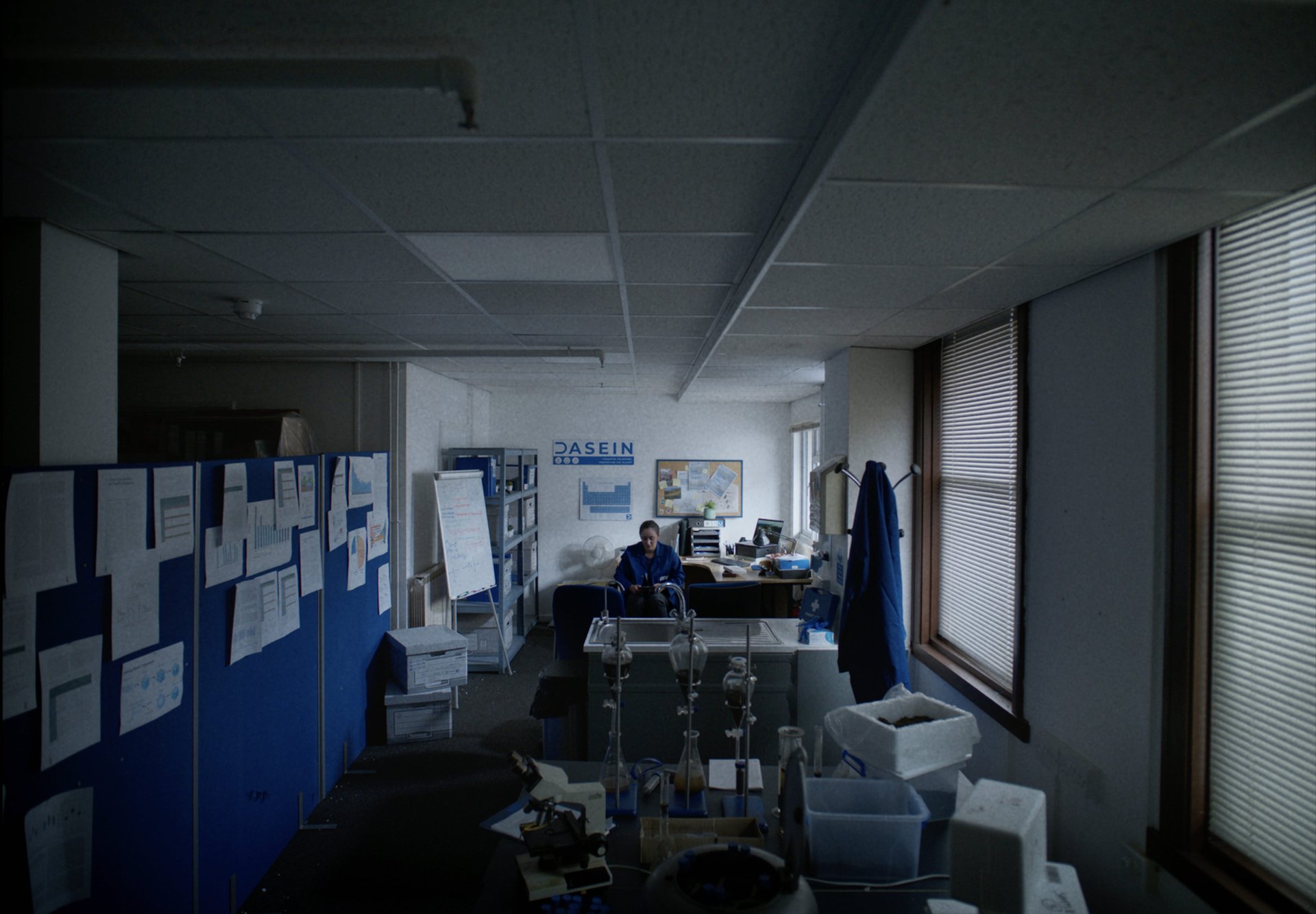
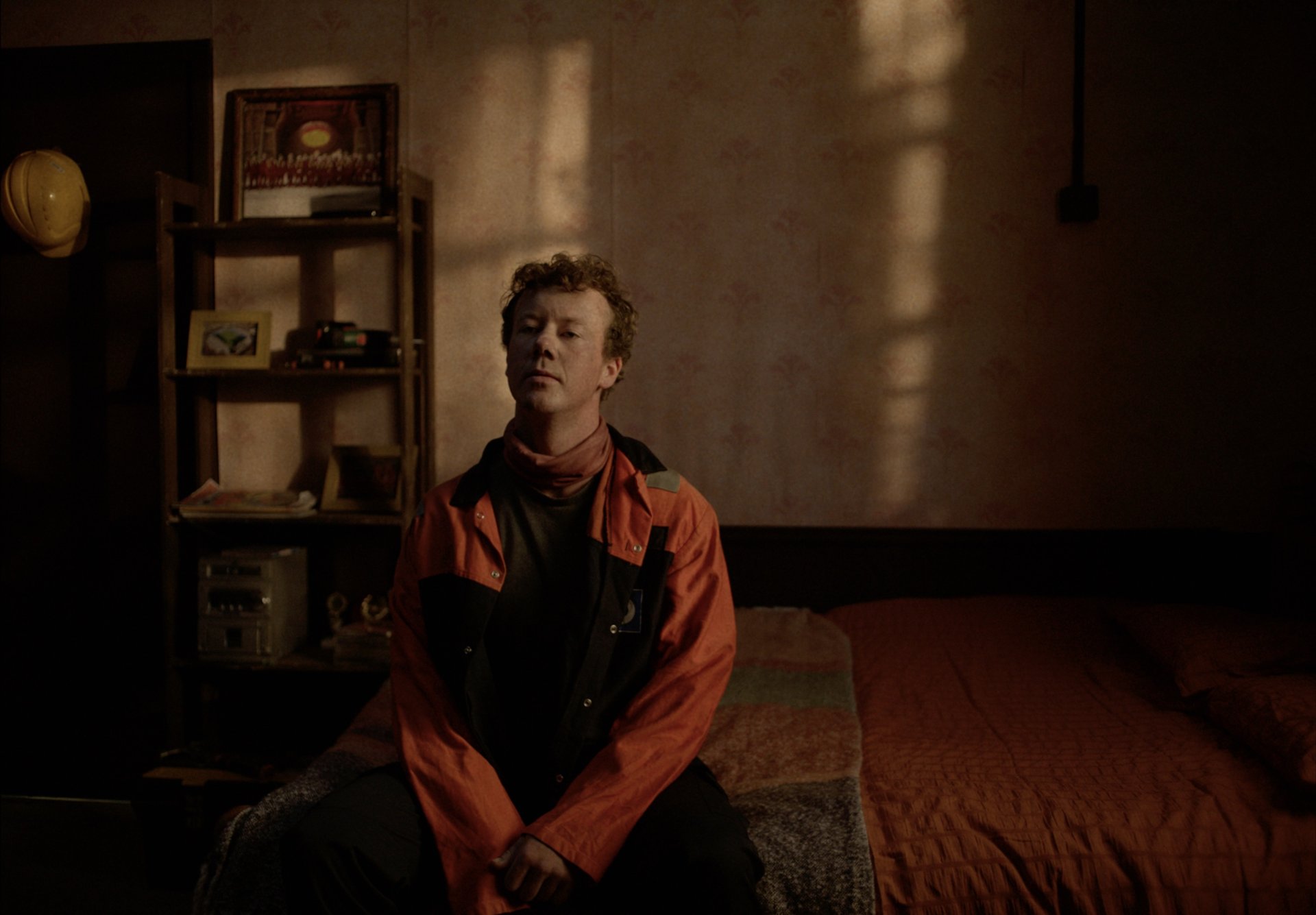
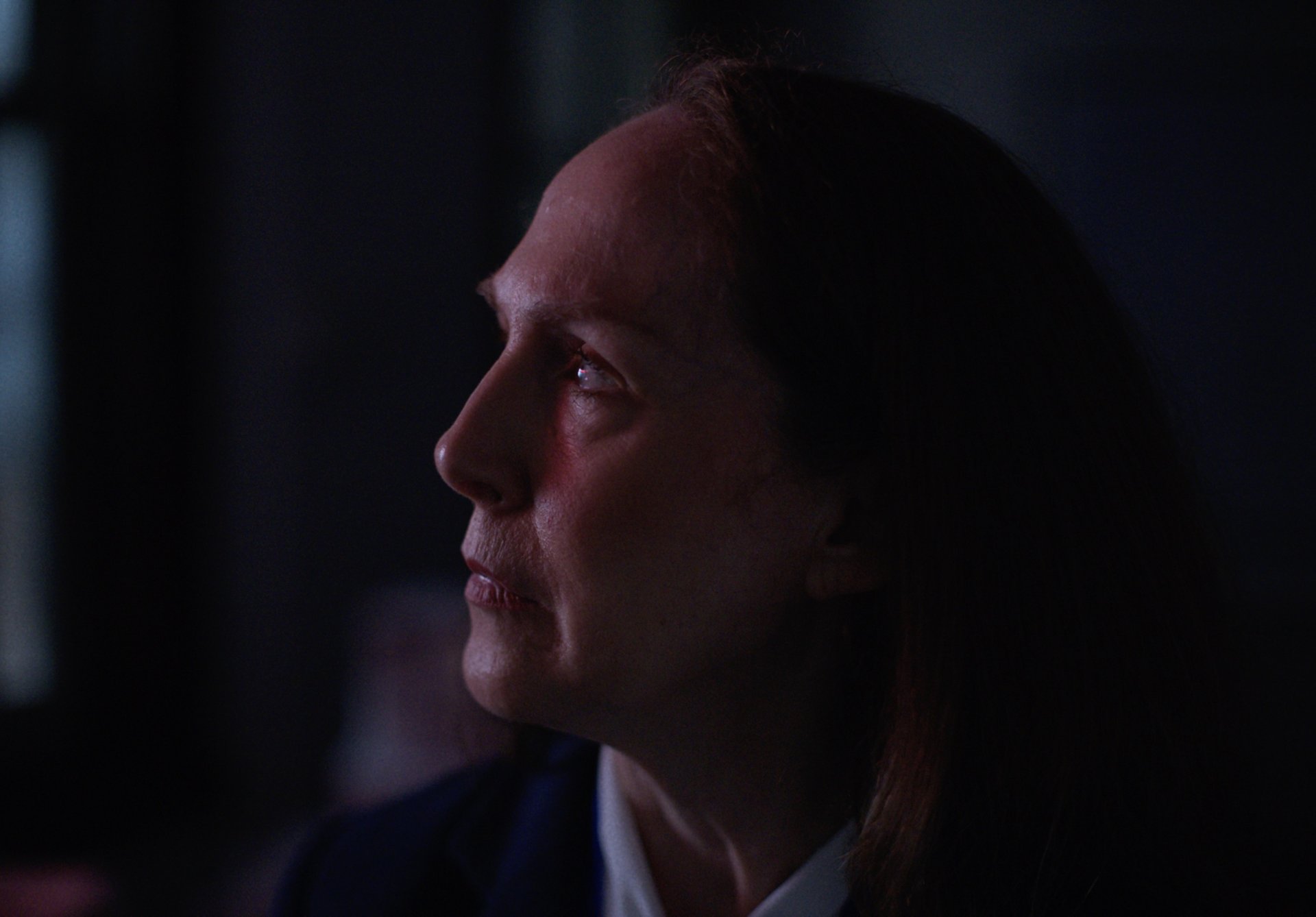
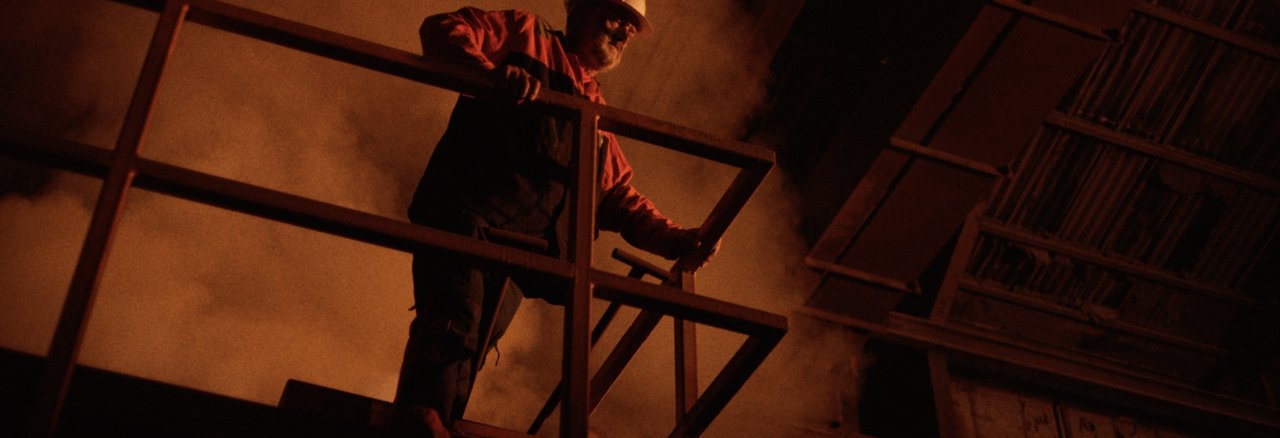
This comes into especially sharp focus in Left Behind, Still Standing. Its protagonist is Morana, a migrant from Croatia working on the dismantling of a steel factory in an English town; when the factory mysteriously comes back to life one night, she is forced to confront the fragility of her own existence and her proximity to the workers the system has already cast aside. The film grows out of a reflection on the disappearance of industrial communities and the migrant experience in contemporary Britain. Skerk has said that she was driven by anger at a society quick to abandon those it deems no longer useful, but also by a need to search, within that bleak picture, for a sense of solidarity. In this fusion of personal anger, social critique, and a gently surreal premise, her voice comes through most clearly.
Although her path is currently most closely linked to the British context, she does not see herself as a filmmaker belonging to a single national cinema. She says she does not want to confine herself to one country and imagines her future as open across several environments, from the United Kingdom to Slovenia, Croatia, and Italy. She is already developing Left Behind, Still Standing as a feature, while increasingly thinking about returning to stories that would grow more directly out of the region she grew up in. It is precisely in that openness, in the movement between places, languages, and production contexts, that her cinematic journey seems truly to be taking off.