As Nobody Said Anything heads to Cannes, producer Katja Lenarčič emphasises co‑production as a creative practice rooted in trust, openness, and genuine collaboration.
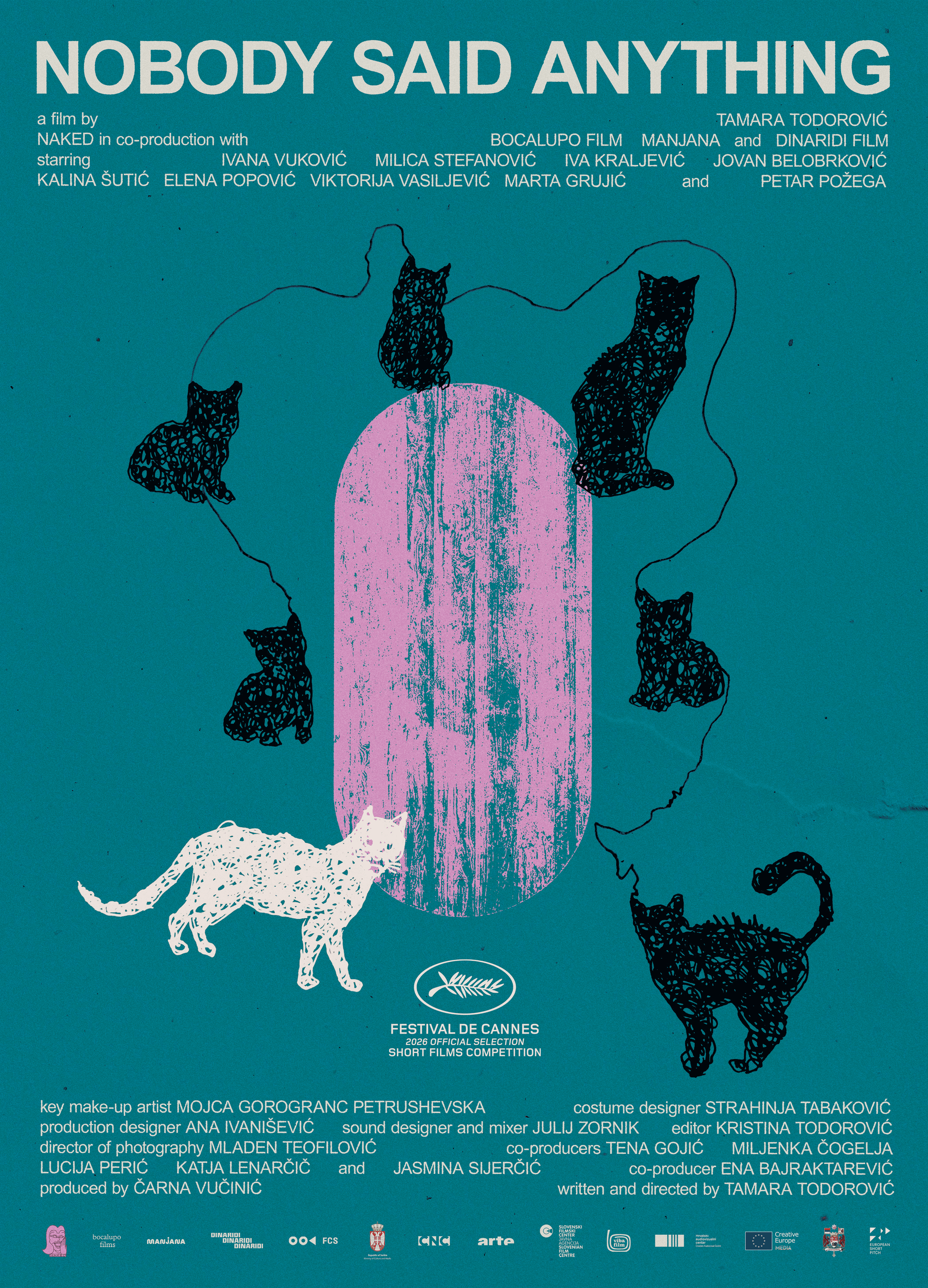
Katja Lenarčič is a producer who approaches film through people, trust, and the sense that a project has a reason to exist. With her company Manjana, she joined Tamara Todorović’s Nobody Said Anything as its Slovenian co-producer, on a Serbian–French–Slovenian–Croatian short film competing this year in Cannes. What drew her to the project was the feeling that the film carried an inner urgency.
Although she primarily continues her work within the production company Vertigo, Lenarčič has in recent years also been working on selected co-productions through Manjana, particularly those that grow out of long-standing creative affinities and a shared way of thinking about film.

In our conversation, she mentioned that she has always been drawn to films that stay with discomfort rather than retreat when things turn uneasy. The same applies to short films, which she feels too often become overcomplicated, as if trying to exceed the limits of their form. A short film, in her view, demands a distilled story and precise focus, and Nobody Said Anything had that clarity from the outset.
She speaks with similar precision about co‑production. For her, filmmaking today is inseparable from it, not merely for financial reasons, but because collaboration can deepen a film creatively. What matters is not what is easiest on paper, but what the film itself needs. She thinks of co‑production as a slow, attentive process built on trust and genuine alignment. In this case, what persuades her is the sense that the people behind a project truly stand by it.
That way of thinking shapes how she speaks about Todorović, who studied directing at the Faculty of Dramatic Arts in Belgrade. Katja describes her as a filmmaker with a clear vision and a rare inner urgency, qualities that made her feel safe stepping into the process.
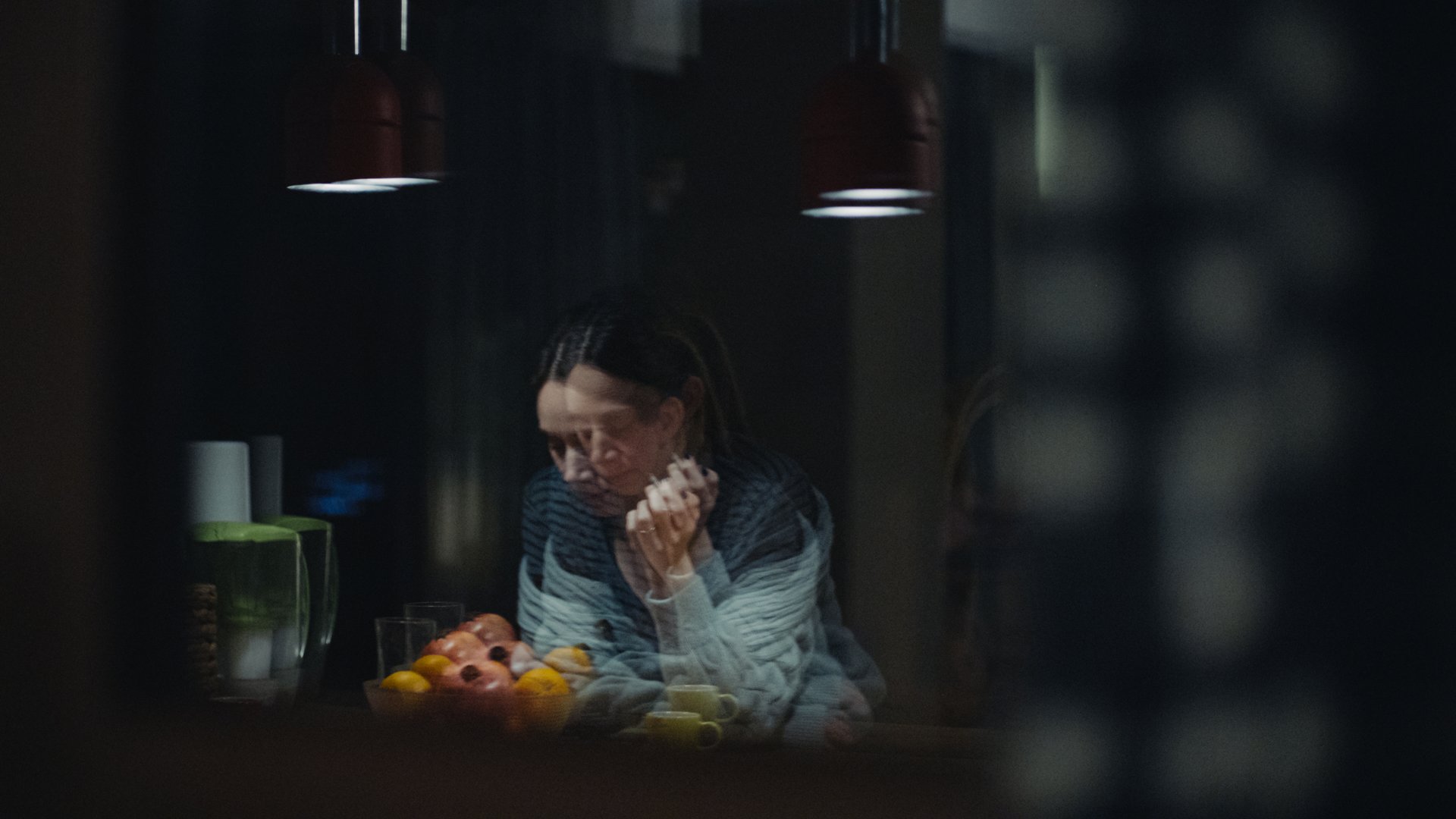
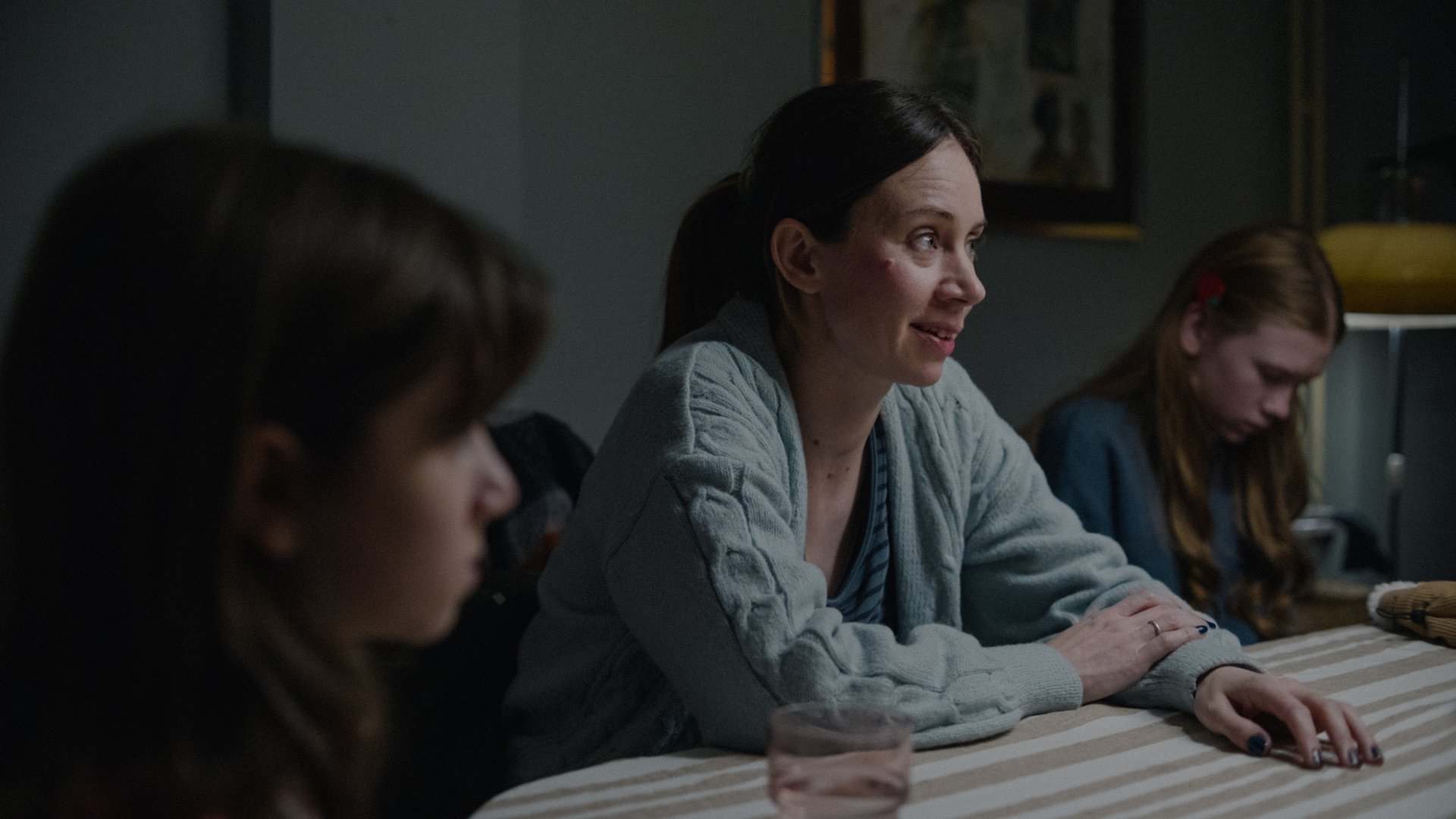
Nobody Said Anything follows Katarina, who is called to the home of her daughter’s friend and confronted with the consequences of a seemingly harmless game that has gone terribly wrong. From that simple beginning, the film opens a taut sequence of tensions: anger, violence, and the quiet expectations that shape girls and women from an early age. In her director’s statement, Todorović writes that the film is not about justifying anger but about tracing emotions that have been pushed down for too long and that suddenly erupt. That honesty spoke to Katja as well. The film articulates how early expectations form, how narrowly girls and later women are framed, and how little room remains for anything outside those roles. The film neither excuses nor moralises violence; it simply refuses to look away.
She often returns to the idea that creative safety is the basis for meaningful work. Her role as a co‑producer is not to impose decisions but to create an environment in which the right people can meet each other in the right way. Co‑production, in her view, is first a form of support, financial, of course, but ideally also artistic. The strongest collaborations, she believes, grow out of dialogue, trust, and the sense that a film calls for particular collaborators.
This approach also shaped the Slovenian contribution. Sound was designed by Julij Zornik, whom Katja sees as a crucial collaborator in post‑production, the phase where a film gains a new layer of meaning. Make‑up artist Mojca Gorogranc Petrushevska joined in a similarly natural way. These are the decisions that matter most to Katja, the ones guided by the film's needs.
Though she speaks with precision about production, her relationship to cinema is equally defined by cinephile curiosity. Perhaps that is why her understanding of producing never stays on the administrative level; it always returns to the question of why a film deserves support, what urgency it carries, and what it might leave behind.